
The Immense Hidden Potential Of The Raw Cashew Nuts Production Capacities Of Cambodia
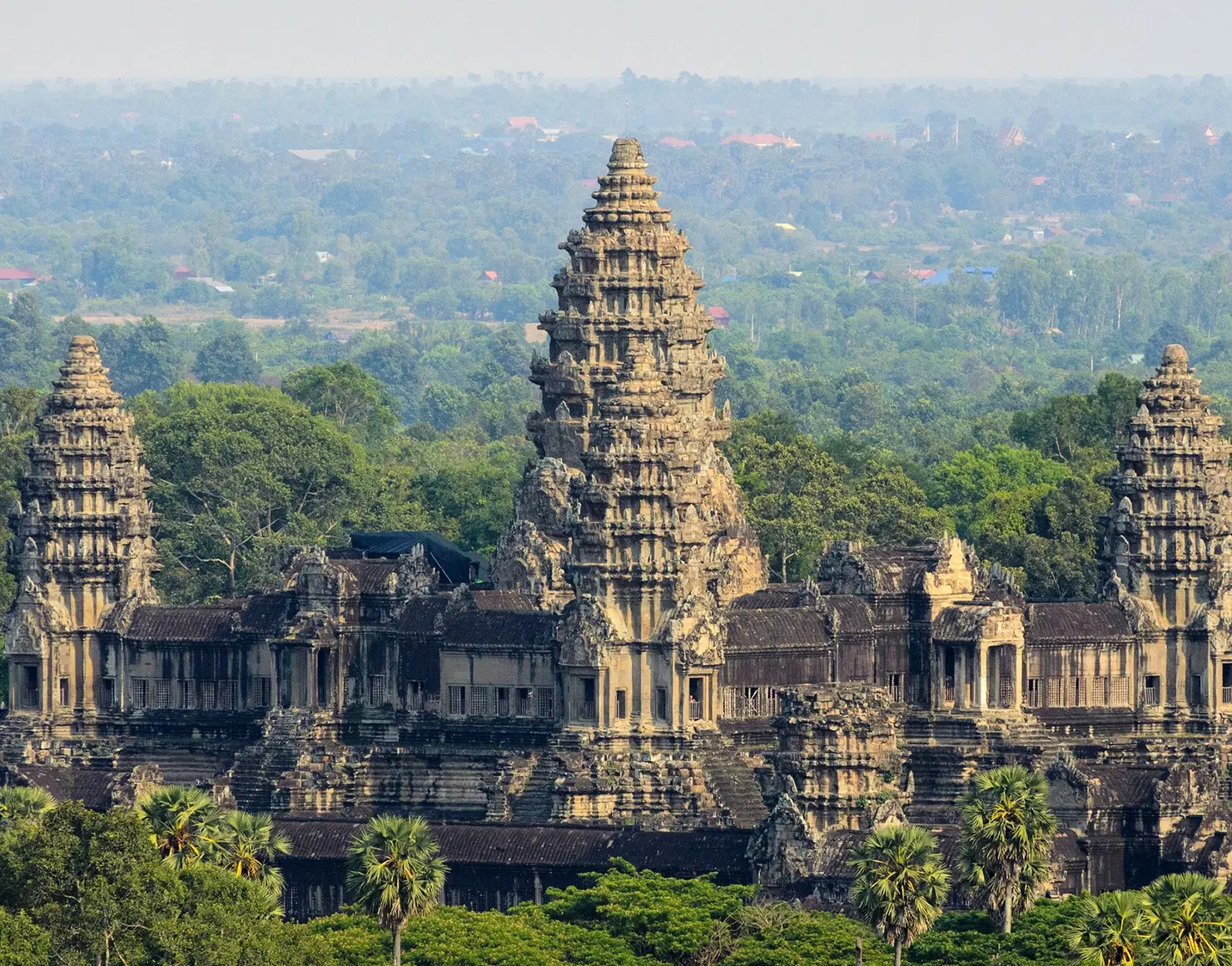
Cambodia produces 140,000 tonnes of raw cashew nuts per year on approximately hundred and fifty thousand hectares, making Cambodia one of the world's top ten cashew producers. Cashew nuts are cultivated in numerous provinces within Cambodia, but the primary provinces in terms of cultivation area include Ratanakiri, Kampong Thom, and Kampong Cham. Cashews are generally produced by small farmers, but a growing number of people are investing in large-scale plantations. Cambodian cashew nuts are known for their relatively superior quality. The grain yield of twenty-four to twenty-eight percent is comparative to that of Vietnam (mid-range quality), the size, however, is usually larger (large cashews account for 15% of Cambodia’s entire raw cashew nut production).
Quality & Standard
Ethically sourced from the best cashew producing nations in the world grown in the biggest cashew farms in the globe.
Best In the Industry
Subject to stringent quality-assessment measures that are carried out both manually as well as with using advanced instruments.
Cost-effective
Our client's enjoy being the sole purveyors of some of the tastiest, organically-grown cashews available in the globe.
Quality & Standard
Ethically sourced from the best cashew producing nations in the world grown in the biggest cashew farms in the globe.
Best In the Industry
Subject to stringent quality-assessment measures that are carried out both manually as well as with using advanced instruments.
Cost-effective
Our client's enjoy being the sole purveyors of some of the tastiest, organically-grown cashews available in the globe.
Quick Enquiry
The Intricacies Of Raw Cashew Nut Production In Cambodia
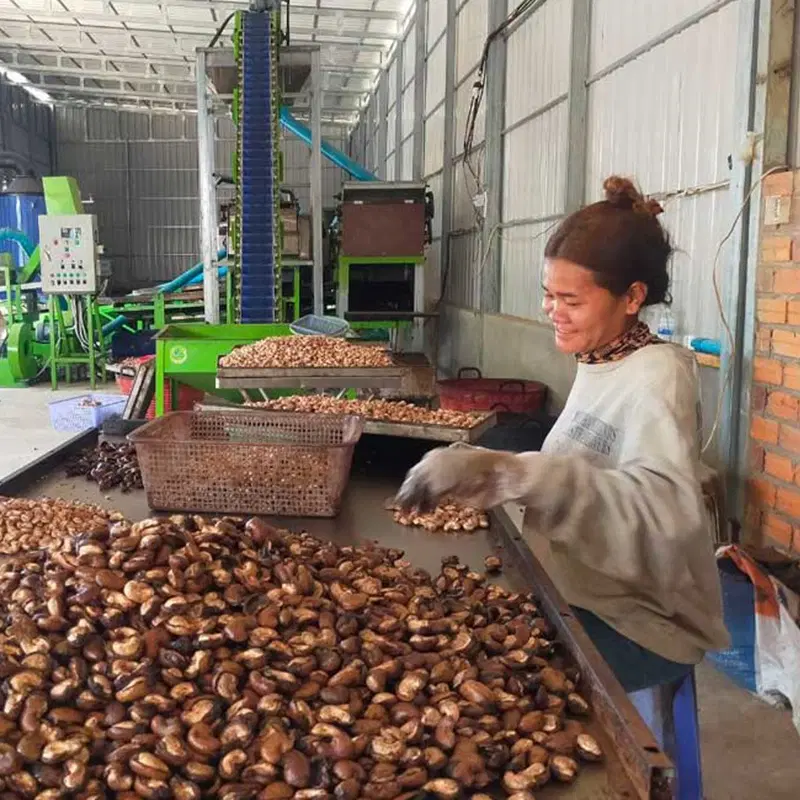
Cambodia produces around 60,000 tonnes of inshell cashews. This makes it the tenth largest producer in the world, with just over 2% of world production. However, it is difficult to accurately determine production in Cambodia, with estimates ranging from 30,000 tonnes to 100,000 tonnes. Nevertheless, although the harvest is only about thirty thousand tonnes, Cambodian production is thought to be large enough to support a shelling industry. Cambodia's cashew nuts harvests in recent years have been much larger than those of the Philippines (five thousand tonnes) and Sri Lanka (five and a half thousand tonnes), both of which have shelling industries. Cambodian cashew nut cultivation is very much like that of any other minor cashew producing nation elsewhere - characterized by small farms that are intermingled with much larger farms and even small-sized plantations. Initially, until the canopy of the cashew trees is closed, other crops are grown between the cashew trees. Cashew production in Cambodia, much like what it is in Vietnam, is constantly in close competition with the cultivation of crops such as rubber and cassava. Yield per hectare estimates average 700 kg, but can reach 2,000 kilograms per hectare with favorable weather conditions and grower education to improve cultivation practices. Cambodia's per hectare yields are comparative to the per hectare yields of Indonesia and parts of East Africa."
The Outlook For Raw Cashew Nut Production In Cambodia
Cambodia has always demonstrated prospects for becoming a recognized cashew exporting country. Until recently, there really weren’t any well-known Cambodian cashew varieties for sale in the global market, as most Cambodian cashews are shipped over to Vietnam or India for processing, where they get mixed with nuts from other nations. Cambodian cashews have a variety of terrific qualities that should by all rights appeal immensely to international buyers. These attributes include -"
the...
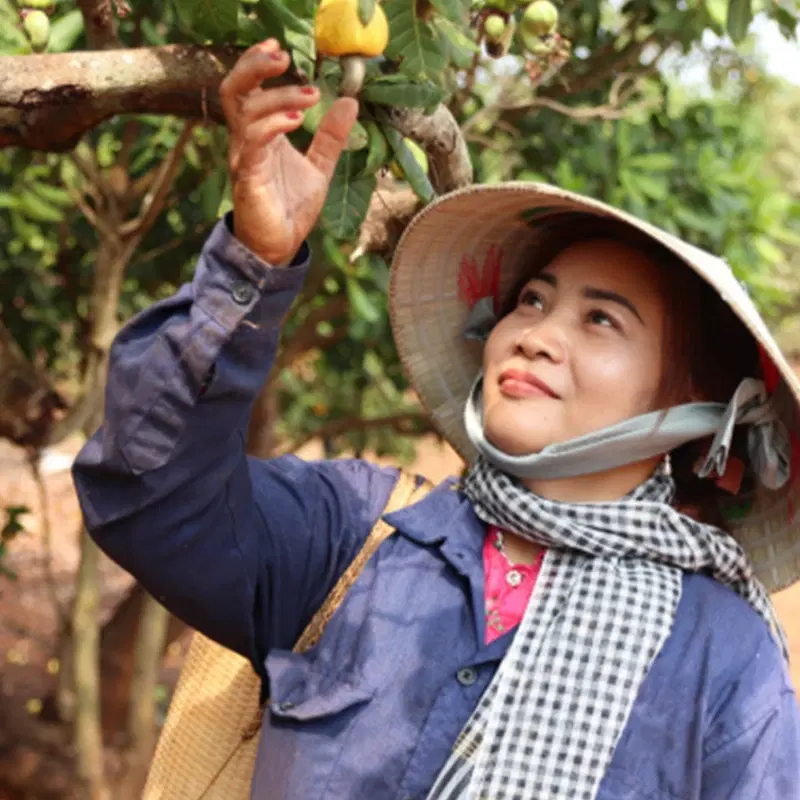
Good quality (a grain yield of twenty-four to twenty-eight percent is comparative to that of Vietnam and places Cambodian cashew nuts in the middle quality range).Cambodian nuts are larger in size, which is why they’re more valuable than Vietnamese cashew varieties. Large cashew nuts account for about 15% of cashew production in Cambodia. Relative simplicity of shelling, which implies that the kernels are less likely to be damaged during the processing stage and in turn, less likely to lose their value. The availability of a skilled labor force in abundance, especially in rural areas that would come in handy provided the cashew factories ensured that working conditions were decent and wages were fair. A cashew nut harvest large enough to justify the creation of a processing industry. The demand for Cambodian cashews in the high priced organic cashew market is very likely to increase, as they are for the most part grown without the use of chemicals and have the potential to be certified organic provided reasonable testing and certification measures are established in the country. Superior traceability of cashew nuts from Cambodia up the supply chain, back to the very farmers who planted, grew and harvested them (this is an advantage over cashews from shellers in India and Vietnam who combine cashew nuts procured from different nations during the processing stage, thus contaminating traceability of the nuts)."
the..
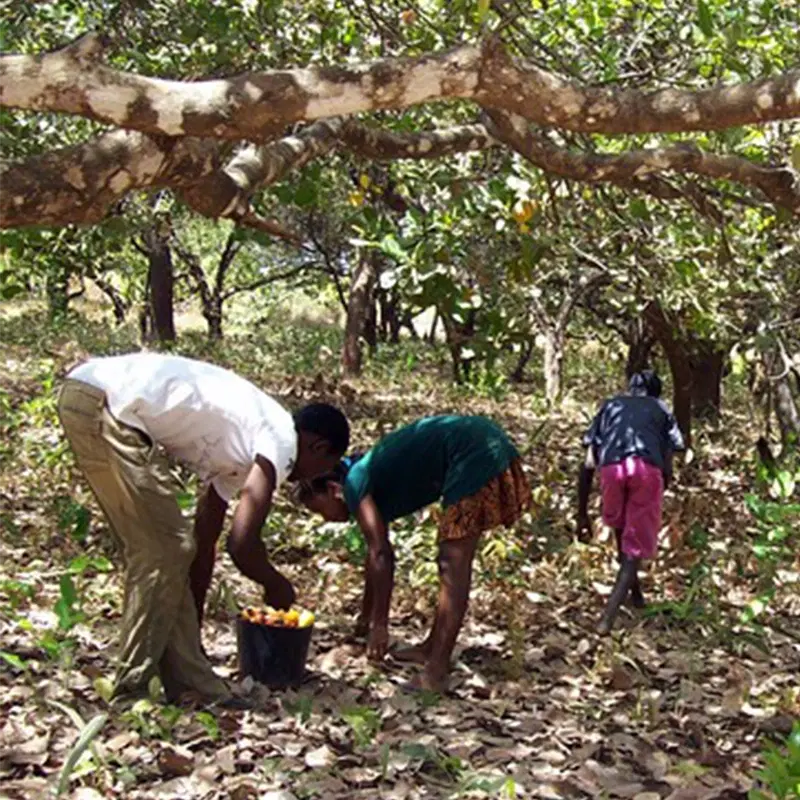
The general consensus amongst buyers in North America and Europe is that they welcome Cambodia as a new cashew exporter, especially if the quality of the products was high and the suppliers were never late or in default of payment, as is often the case with buyers from some major importing nations. When prices for cashew nuts on the world market increased dramatically in 2008 and 2010, many cashew exporters went against their contracts and resold at higher prices to new buyers. This eventually resulted in these sellers earning a bad reputation amongst European and North American buyers. Cambodia could also become a preferred supplier because, by creating a new processing industry, it could take advantage of advanced technologies and methods ensuring good standards of hygiene, environment, health and safety of workers. Modern technologies also have the potential to mechanize the inhumane aspects of cashew processing."
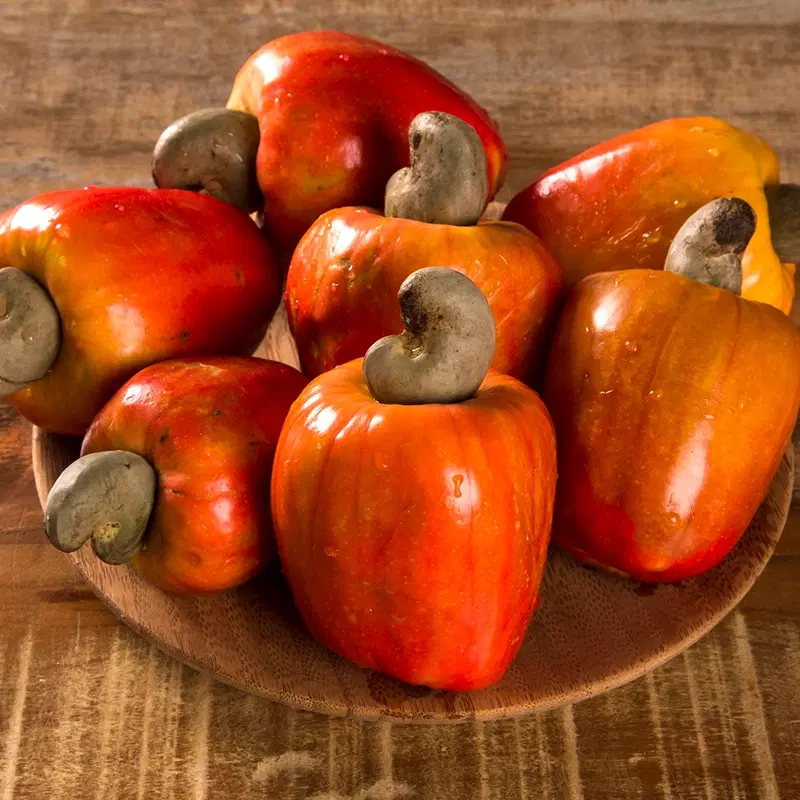
Productivity Of Raw Cashew Nuts Cultivation In Cambodia
Although raw cashew is an important cash crop for Cambodian farmers, the productivity of the plantations is well below its potential. Even without many external inputs, the introduction of improved plant material and appropriate manual protection of plants, the average yield of 0.4 tonnes per hectare could be doubled, while the use of external inputs could increase harvest at average yield at the level of 1.6 tons as it prevails on similar soils in the neighboring countries."
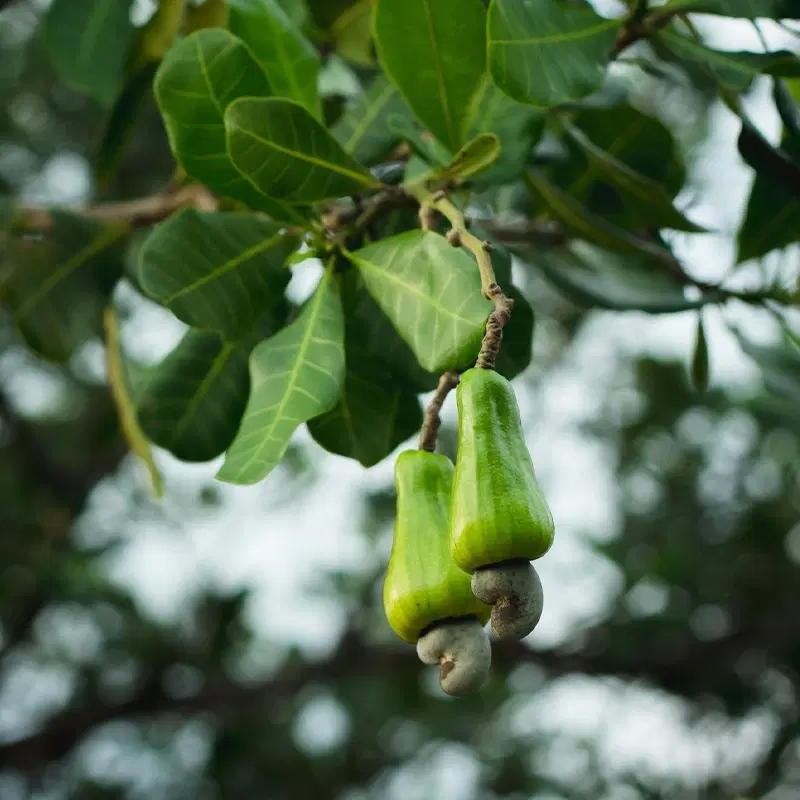
Aid To Cambodia Cashew Producers
The German GTZ's Community Rural Development Program (CB-RDP) has helped cashew producers in Kampong Thom in recent years. Meanwhile, organic cashew nuts farmers formed eleven groups with 385 members. GTZ involved several experts including one Indian specialist and has organized several trainings for farmers. In 2008, the activities of helping organic cashew growers were led by the GTZ Trade Promotion Project. Srer Khmer, a Cambodian NGO took up this responsibility when it began working alongside cashew producers in the provinces of Kampong Cham and Kampong Thom. Thanks to funding from the IFC, the NGO facilitated the training of - 120 farmers' associations, 83 associations in the Kampong Thom region, and 38 in the Kampong Cham region. "
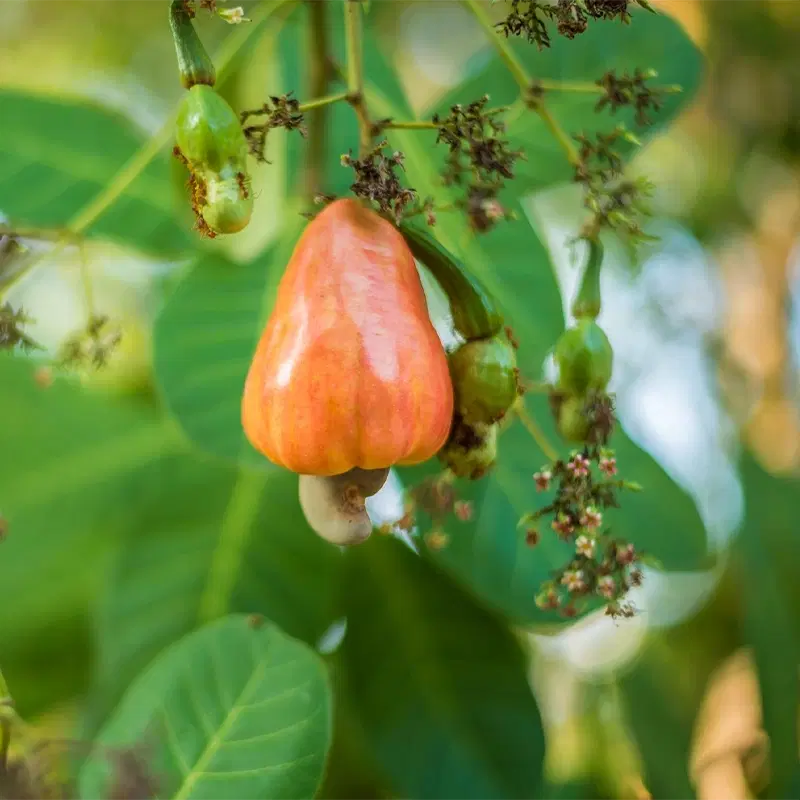
The...
In December 2010, 3,968 farmers joined the associations. Together they manage 8,249 hectares, producing 5,774 tonnes of raw cashew nuts (assuming, one hectare yields 700 kg). An integral part of the work was to facilitate the establishment of an organic certification system by setting up internal control systems (ICS) at group level. In 2010, around seven hundred producers were certified organic and later in February of 2011, close to three and a half thousand more producers were inspected and certified as part of phase two."
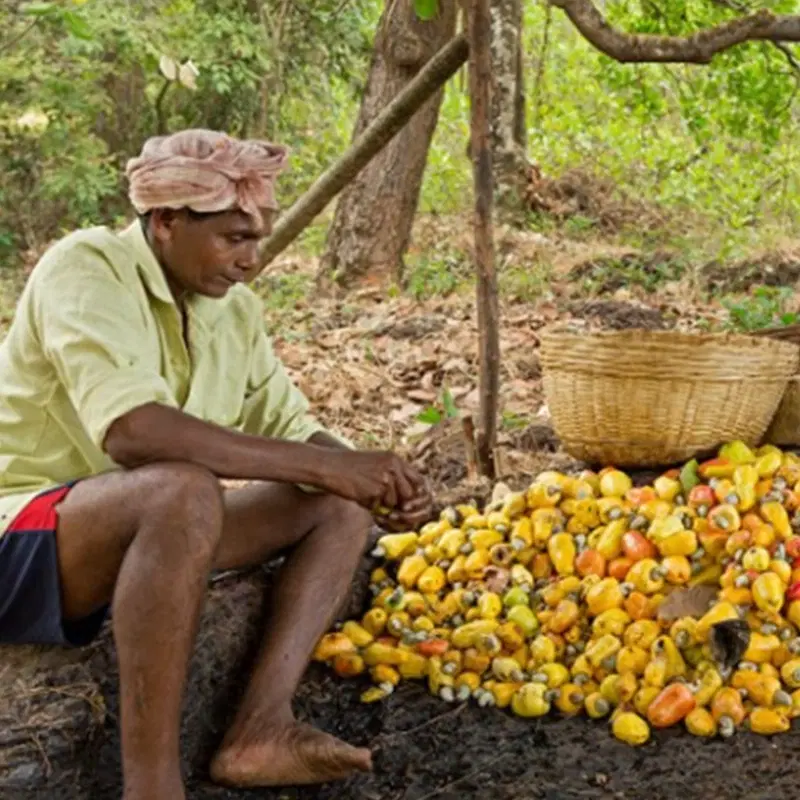
The...
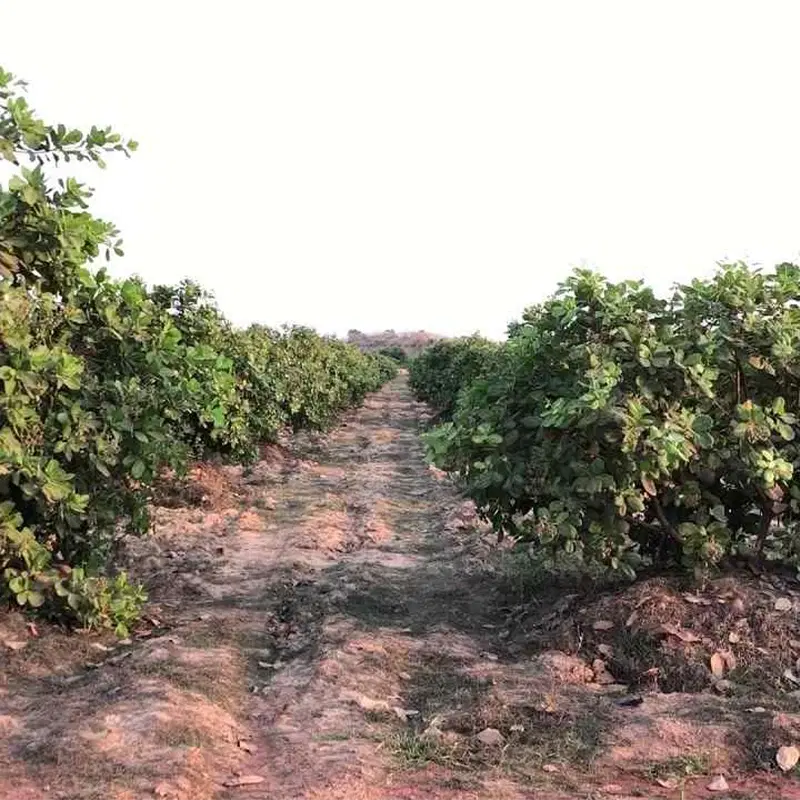
During the implementation of the program, the few farmers who requested pesticides or herbicides, abandoned their use and were interested in switching to organic agriculture methodologies. Farmers began to use organic alternatives such as botanical pesticides and fertilizers. They have also started to prune the trees, which helps to improve considerably yields. Some key farmers have established nurseries to develop new varieties and sell to other farmers who wish to expand their orchards. To improve farmers' learning, Srer Khmer developed training materials that are very popular with farmers. Likewise, farmer groups have increased their bargaining power in their relationships with traders. They have also seen more put options and are able to trade the market price information between the two provinces. "
The...
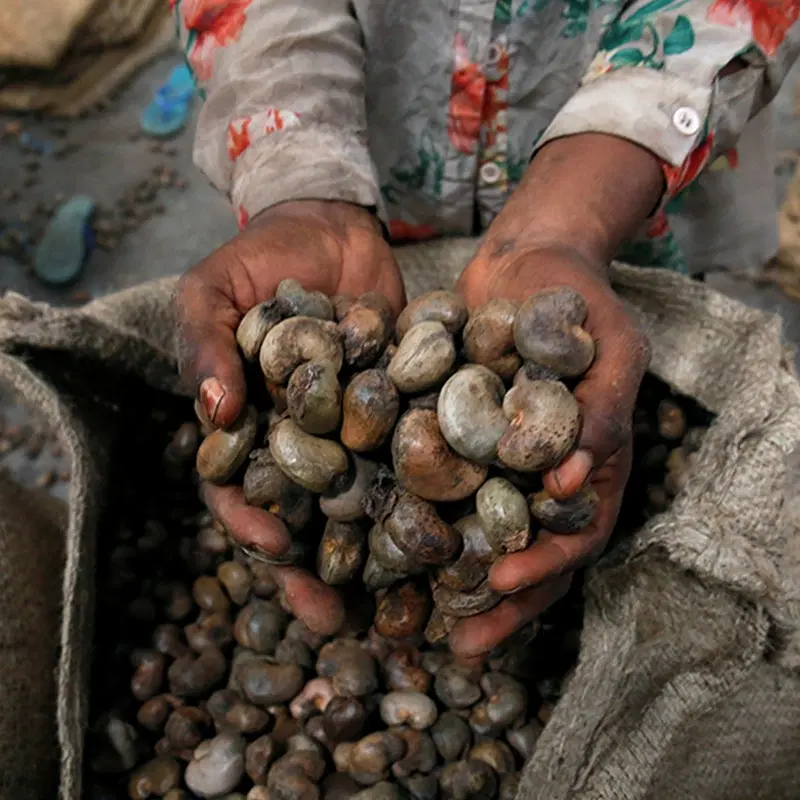
The members of these associations are keen on learning more about best practices when it comes to cashew nut cultivation in addition to taking training courses and acquiring more training material. As a result, farmers start treating their cashew orchards like a business and pay more attention to improving and maintaining them. Many are now looking for good varieties on their own. Srer Khmer realized that training must be supplemented by supervision and support activities on the farm. Along with selling raw nuts, other promising value-added activities such as cashew apple confectionery and cashew wine were explored. Srer Khmer has also observed that neighboring farmers are starting to copy organic methods. So there is a considerable potential to increase organic cashew nut production in Cambodia."
The...
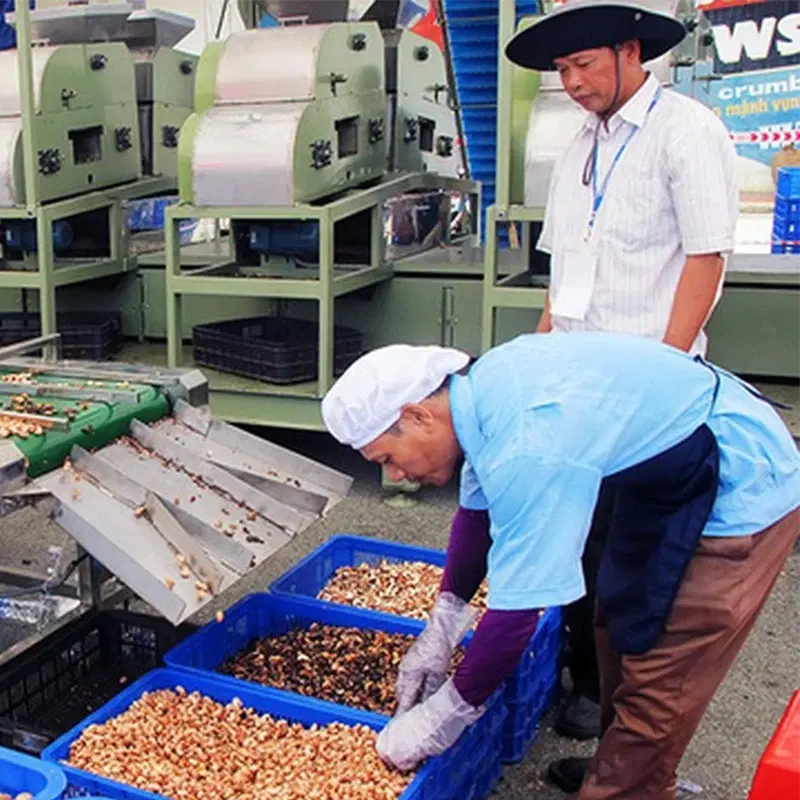
Since the beginning of 2011, Srer Khmer has been implementing the third phase of its program. Srer Khmer goes further in facilitating training to further improve the internal control systems (ICS) of the associations. Another objective is to improve management before and after harvest. The training will be combined with individual on-farm coaching and follow-up activities. In addition, more business skills will be imparted. When it comes to marketing, the project works in close collaboration with Mekong Rain Natural Foods Co. Ltd, which funded the ICS farmer records as well as for the international certification. The partnership aims to overcome the long-standing neglect of the cashew industry and transform it into a win-win situation for all stakeholders."
How The Cambodia Cashew Association Works With The Government To Implement Policies That Benefit National Cashew Nut Production & Export
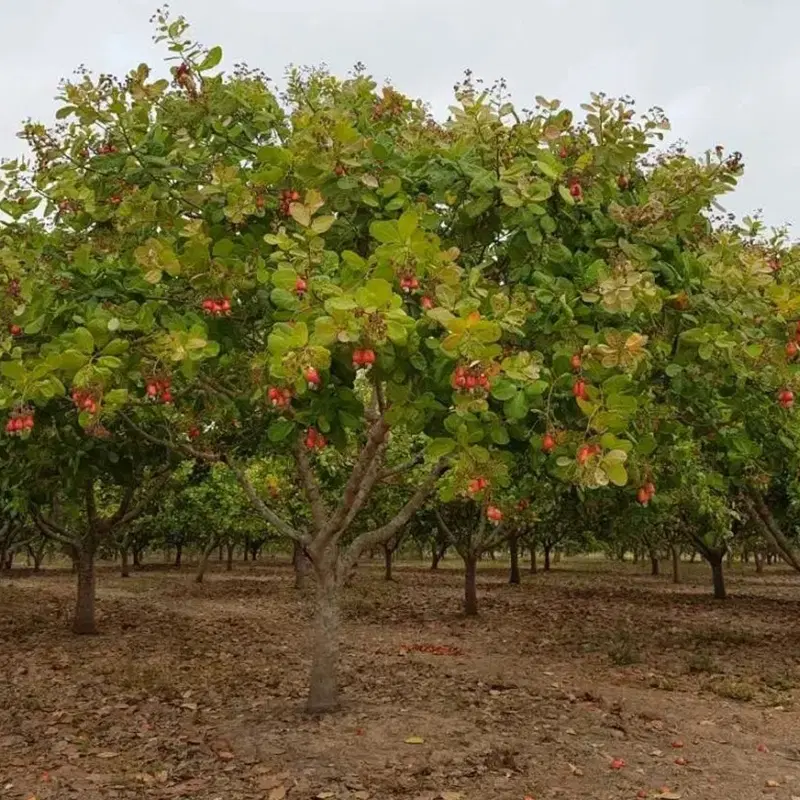
The National Cashew Policy, which was developed by the Ministry of Commerce to boost the cultivation and export of cashews to international markets, is expected to be officially approved by the end of 2025. "
The...
The preparation of the draft national cashew policy required input from many ministries or private institutions, especially farmers, processors and exporters. As a result of the implementation of the national cashew policy, Cambodia will stand a chance at becoming a prime supplier of cashew nuts locally, regionally and globally. The implementation of this policy will help turn Cambodia’s cashew processing and production undertakings into competitive endeavors in terms of both kernel yield and quality. As a consequence of adopting this national cashew policy, the value of Cambodian cashew nuts, in terms of production chains and value chains, will increase dramatically. This will increase the value of farmers and processors and create a competitive advantage as well as market diversification. The Cambodia Cashew Association President supports the upcoming national cashew policy, hoping it will support the cashew production chain and generate additional income for farmers and stakeholders. This will also attract potential investors who could be the source of the necessary funding required for the establishing of a cashew processing plant in the nation, as Cambodia is presently the leading producer of fresh cashews for export.
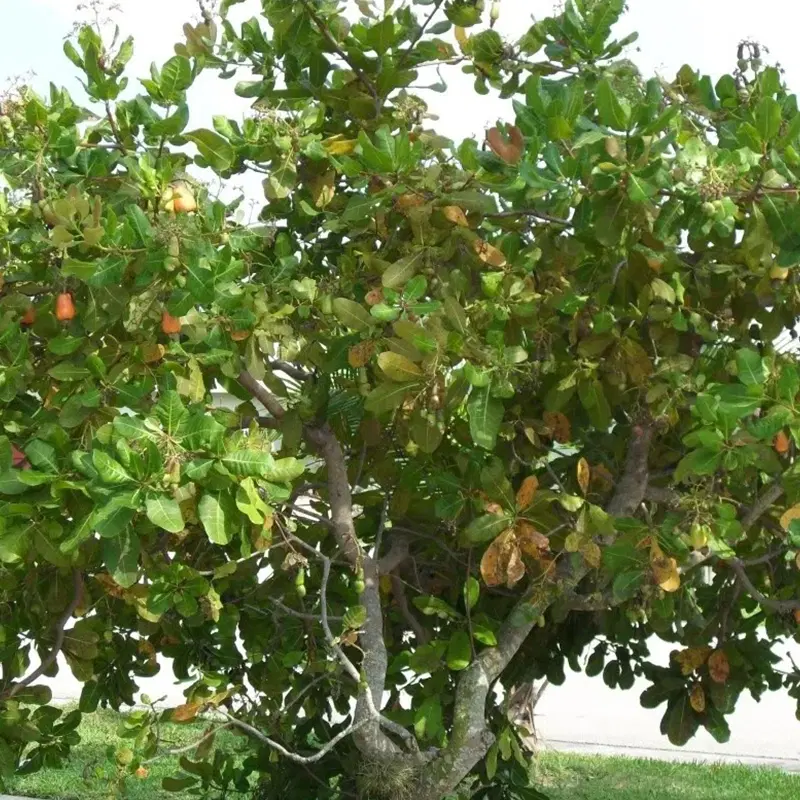
Theee
Cambodia grows a lot of cashews. If it has a processing plant that can meet the number of fresh cashews, it will make a difference in the cashew production industry. Farmers will receive more value and can improve their lives. At present, Vietnam is Cambodia's biggest cashew importer and accounted for almost all of Cambodia's cashew exports, which totaled 800,000 tons and were valued at 2.9 billion USD for the first five months of 2021. According to the Vietnamese Cashew Association (VINACAS), this was the largest import volume ever recorded from Cambodia, compared to 216,300 tonnes imported during the same period in 2020 and only 175,000 tonnes imported from Cambodia during 2019. But while Cambodian cashew exports have skyrocketed in recent years, added value is constantly lost due to the lack of cashew processing capacity in Cambodia, which means it can only export fresh cashews that are processed in their destination countries.
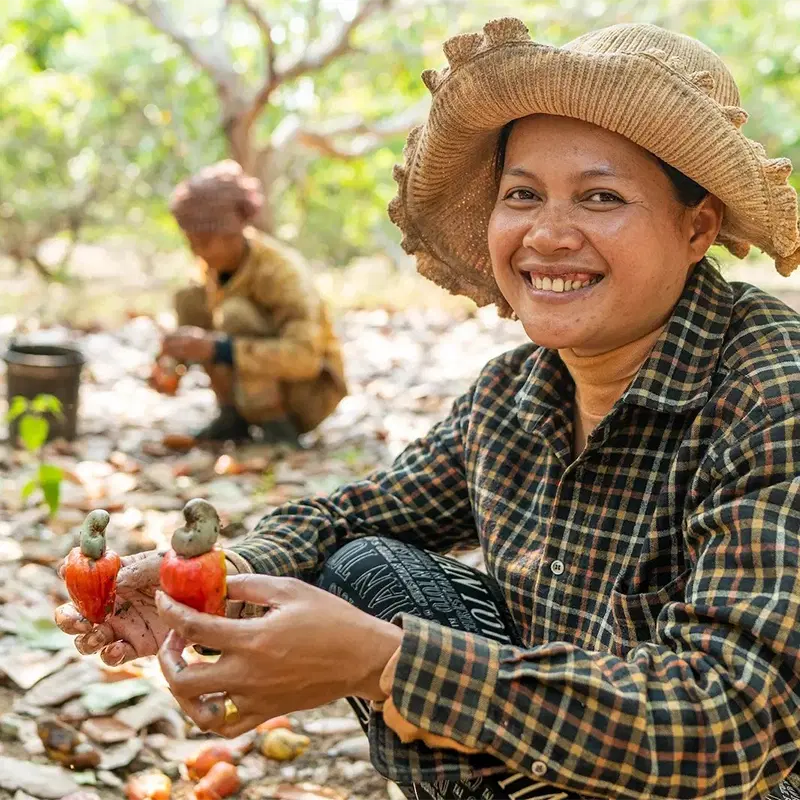
The...
Cambodia has to continue its efforts in demonstrating its immense potential, for example the government implements policies aimed at bringing together farmers to provide raw materials. Cambodian cashews taste great and are of high quality compared to others, but the country need to address weaknesses like the high cost of electricity, enabling it to attract more investment. Each year Vietnam absorbs around 60% of Cambodia's cashew exports, which are typically produced by five medium-sized companies, each producing around 200,000 tonnes per year. But already diversification is starting among cashew farms. The Chey Sambo Cashew Nut Handicraft firm, which is located in Kampong Thom Province, is also recognized for successfully exporting almost ten thousand tonnes of semi-processed cashew nuts to the Japanese market. The company is now looking to promote the cashews it processes in-house as exporting semi-processed products is a more profitable affair than exporting raw materials. Presently, the firm maintains a keen eye on the global cashew market and is eager to procure more funds for the purposes of expanding its cashew processing capacities from ten tons each month to twenty tons per month in order to meet current demand.
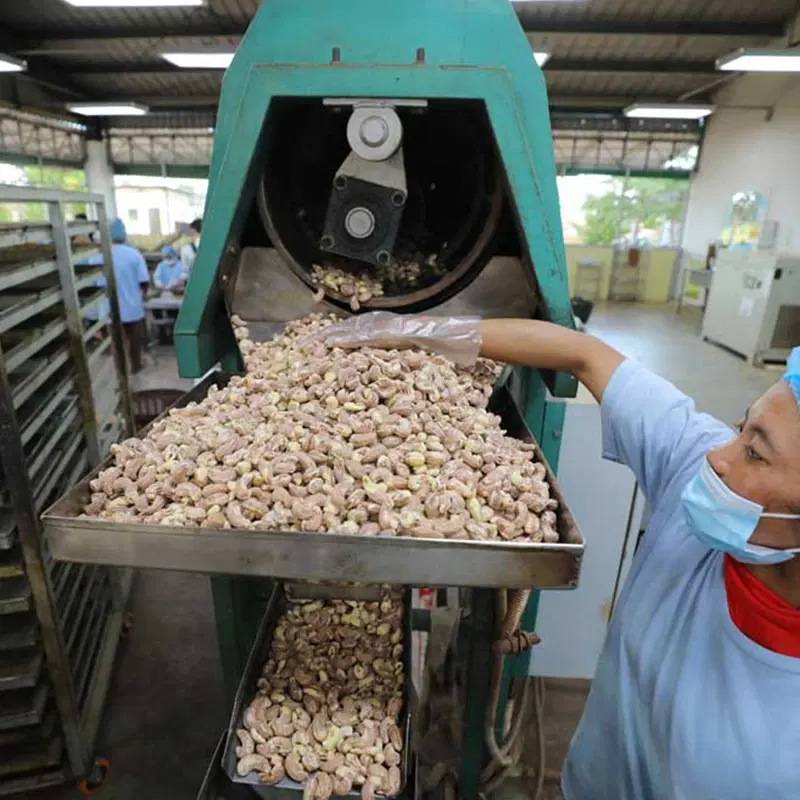
The Most Prominent Raw Cashew Nuts Cultivating Regions In Cambodia
Currently, more than 500,000 hectares of Cambodian land are devoted to cashew cultivation in 10 provinces. According to a report by the Cambodia Cashew Association - Kampong Thom province has the largest cashew plantation with 90,959 hectares; Kratie province is the second-largest with 47,858 hectares; Ratanakiri province has 30,459 hectares; Kampong Cham province has 24,364 hectares; Siem Reap province has 22,305 hectares; the province of Preah Vihear has 16,971 hectares; Stung Treng Province has 16,164 hectares; Tboung Khmum Province has 8,334 hectares; Mondulkiri Province 5,676 hectares; Kampong Chhnang Province 2,123 hectares of cashew plantation.
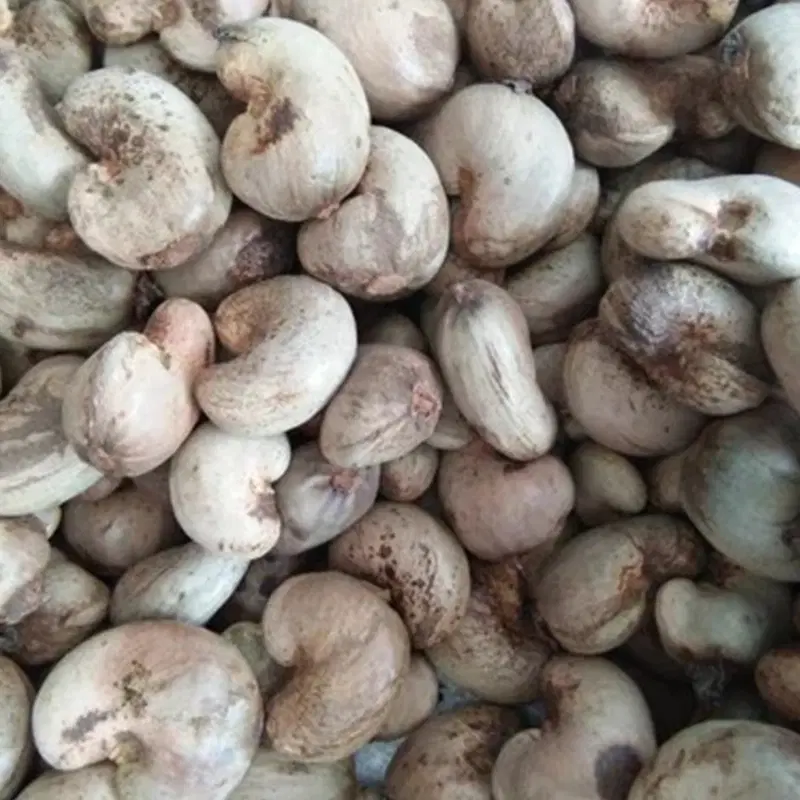
The Most Prominent Raw Cashew Nuts Cultivating Regions In Cambodia
A Little About SCashew's Nuts
Currently, more than 500,000 hectares of Cambodian land are devoted to cashew cultivation in 10 provinces. According to a report by the Cambodia Cashew Association -
The Most Prominent Raw Cashew Nuts Cultivating Regions In Cambodia
Quality & Standard
● Kampong Thom province has the largest cashew plantation with 90,959 hectares; ● Kratie province is the second-largest with 47,858 hectares;
Best In the Industry
● Ratanakiri province has 30,459 hectares; ● Kampong Cham province has 24,364 hectares;
Cost-effective merchandise
● Siem Reap province has 22,305 hectares; ● the province of Preah Vihear has 16,971 hectares; Stung Treng Province has 16,164 hectares;
Safe shipping/transport
● Tboung Khmum Province has 8,334 hectares; Mondulkiri Province 5,676 hectares; ● Kampong Chhnang Province 2,123 hectares of cashew plantation.
Quality & Standard
Ethically sourced from the best cashew producing nations in the world grown in the biggest cashew farms in the globe.
Best In the Industry
Subject to stringent quality-assessment measures that are carried out both manually as well as with using advanced instruments.
Cost-effective
Our client's enjoy being the sole purveyors of some of the tastiest, organically-grown cashews available in the globe.
Safe shipping/transport
Test - Safe and fast shipping on all order
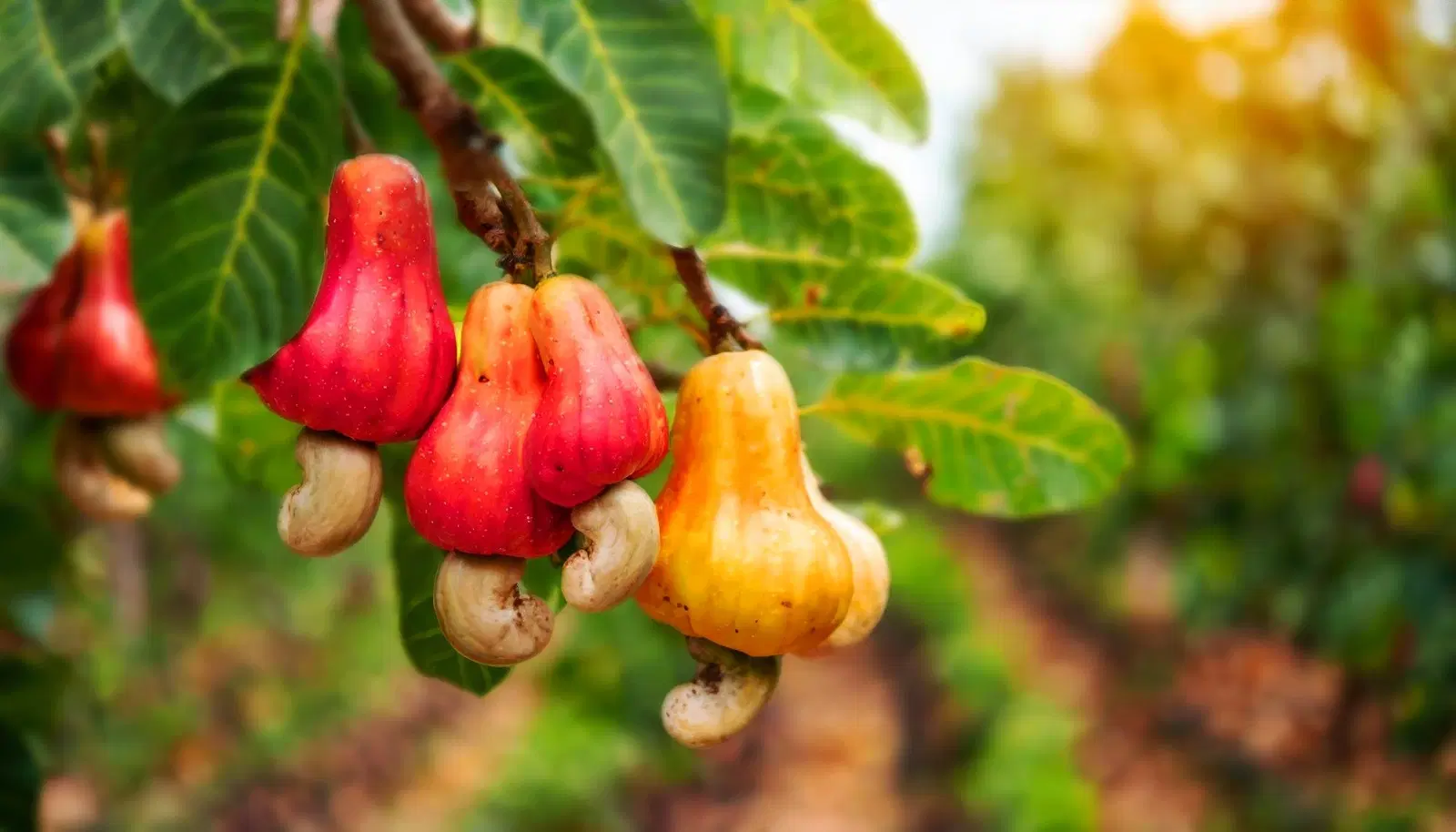

The price of raw high-grade cashew nuts from Cambodia in 2025 will largely depend on whether or not the demand for these well-sized cashews continues to increase (which it is very much likely to happen). Farmers now sell a kilogram of raw cashews ranging from 6,500 (1.62 USD) to 8,000 riel (2 USD). Processed cashews and other cashew related products can cost as much as 17 USD per kilogram.