
History Of The Production Of Cashew Nuts In Tanzania
Cashew production and trade have, for a long time now, played an important role in the Tanzanian economy. Ever since the sixties, cashews have been Tanzania's fourth-largest source of foreign exchange, after coffee, cotton, and sisal. Cashews are cultivated by more than a quarter of a million small farmers. Although cultivated throughout the coastal area, cashews have long been the main source of agricultural income even in the southernmost parts of the nation, including Lindi, Ruvuma, and Mtwara. The dissolution of the cashew production economy has had a significant negative effect on the standard of living in these regions.
Quality & Standard
Ethically sourced from the best cashew producing nations in the world grown in the biggest cashew farms in the globe.
Best In the Industry
Subject to stringent quality-assessment measures that are carried out both manually as well as with using advanced instruments.
Cost-effective
Our client's enjoy being the sole purveyors of some of the tastiest, organically-grown cashews available in the globe.
Quick Enquiry
History
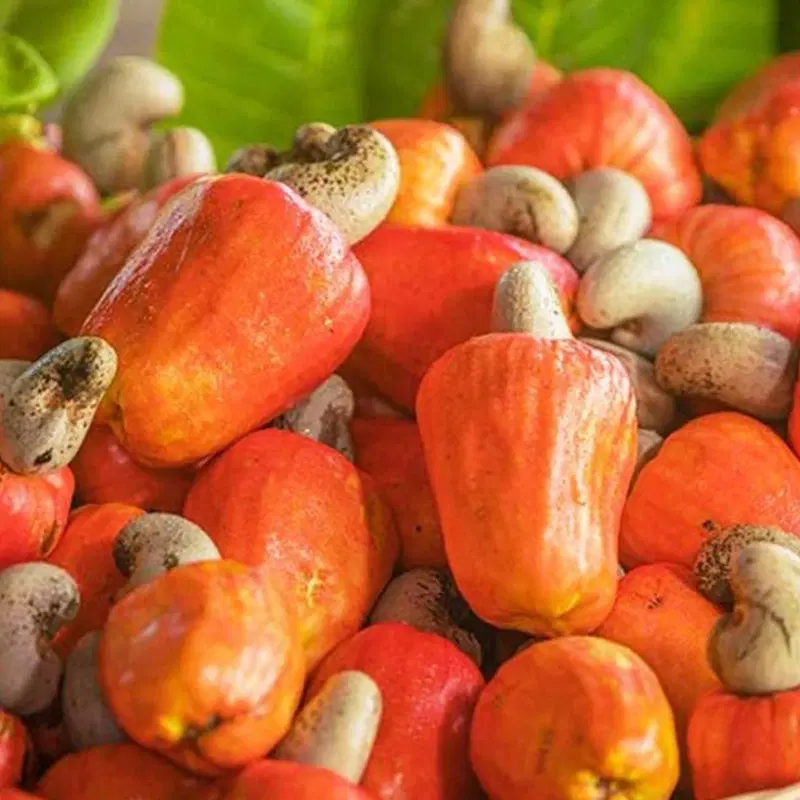
Cashew was probably introduced to Tanzania from Mozambique in the 16th century and was initially used to control soil erosion in the nation's coastal regions. Cashew groves grew naturally during this period, and there are no signs of any specialized production or commercial trade having taken place until late in the last century. Between World War 2 and the early seventies, Tanzania developed one of the largest cashew nut industries, accounting for around thirty percent of the total global production and ranking among the top exporters. Cashews have become one of Tanzania's main sources of foreign exchange and have provided an important source of revenue for about a quarter of a million smallholder farmers. Tanzania's cashew trade was initially developed by private traders, although during the sixties, a multilevel marketing system comprising local cooperative societies, regional cooperative unions, and a national marketing board was imposed. In effect, the role of private traders being marginalized and ultimately completely abandoned."
History
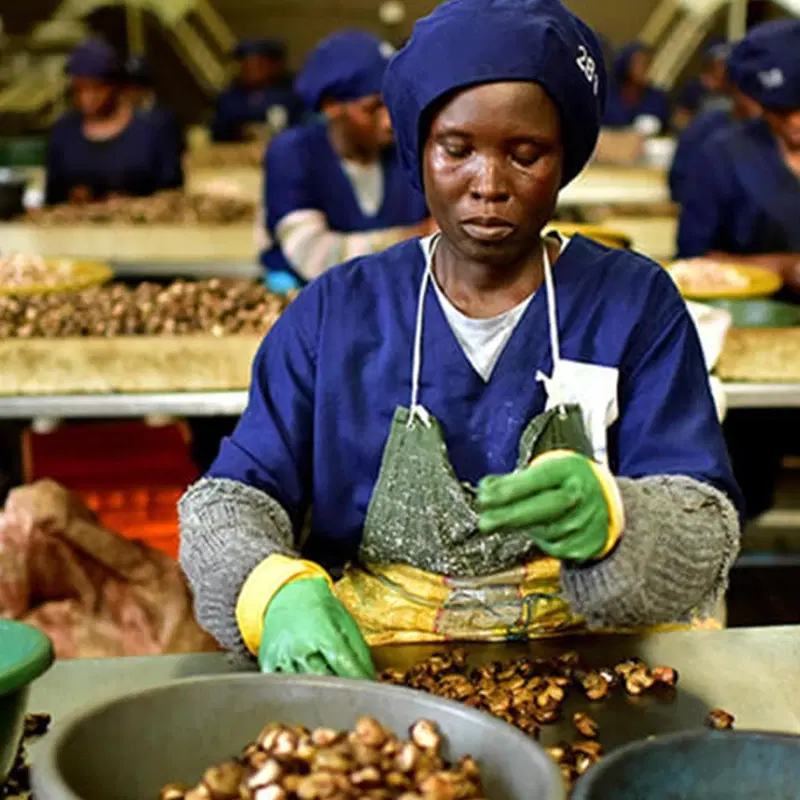
This multilevel marketing system has not worked effectively. Rising marketing costs, as well as falling real farm gate prices, and the forced villagization of smallholder farmers, have significantly undermined the incentives to produce cashews. From the mid-1970s, the industry experienced a steady and dramatic decline. By the late 1980s, commercialized cashew production accounted for only a quarter of its production levels during the seventies, as most of the large government processing factories were inactive, and Tanzania's reputation for selling high-quality products was severely hit."
History
With the cashew industry on the verge of total collapse, the government of Tanzania announced in 1991 that the country’s cashew economy would be liberalized. This decision meant that private companies would once again be allowed to engage in trade. The liberalization of the cashew market was seen as a sort of 'test case'. The results of which would influence the speed and nature of institutional reforms in the processing and marketing of other major industrial crops in the region, especially coffee, cotton, and tobacco."
The Current State Of Cashew Nuts Production In Tanzania
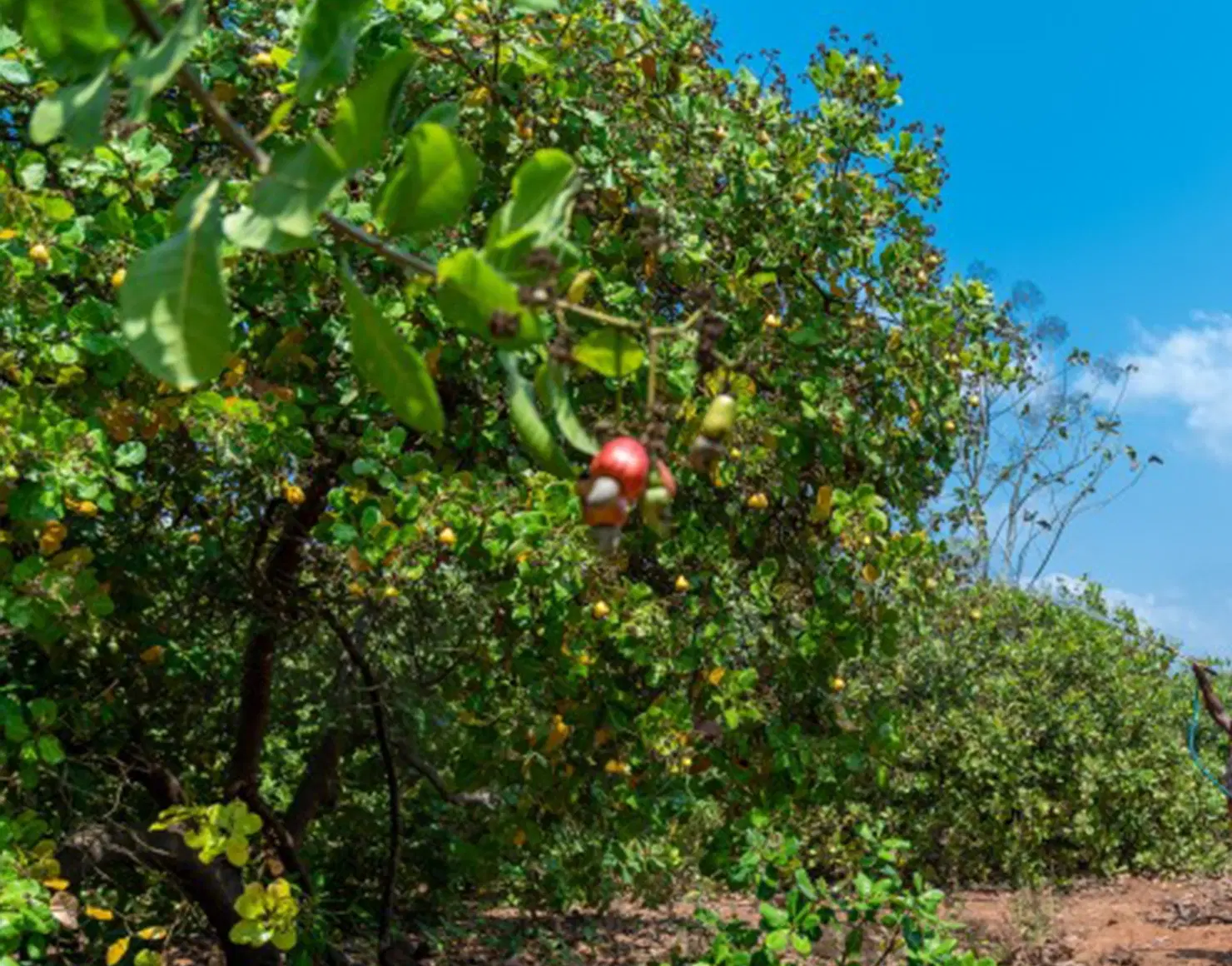
Cashew production in Tanzania ranks 16th in terms of the farm gate value it generates. However, cashews are an important export crop generating significant foreign exchange income. The area under production in recent years has ranged from eighty thousand to ninety thousand hectares. Production levels have decreased significantly from what they used to be in the early 2000s. Recently, there has appeared to have been a substantial upward trend. Traders said high prices for raw cashews are the main reason for the increase in production. Albeit, in general, there are several systemic constraints that prevent Tanzania from further increasing its production."
The..
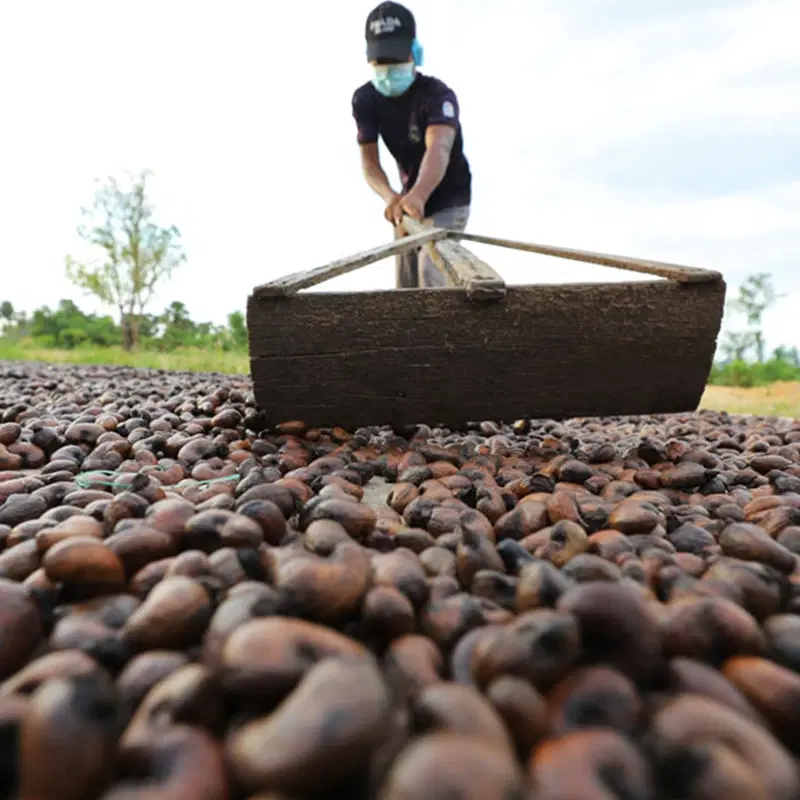
The main production regions are Mtwara, Lindi, Coast, as well as Ruvuma and Tanga. During the late 2000s, the Mtwara and Lindi regions produced more than eighty percent of the entire national production. The vast majority of the cashew production in Tanzania takes place in the districts of Mtwara, Nachingwea, Tandahimba, Newala, Mkuranag, and Masasi. Efforts have also been made to introduce cashew cultivation in areas like Iringa, Dodoma, and Singida, but the results have been rather poor."
The...
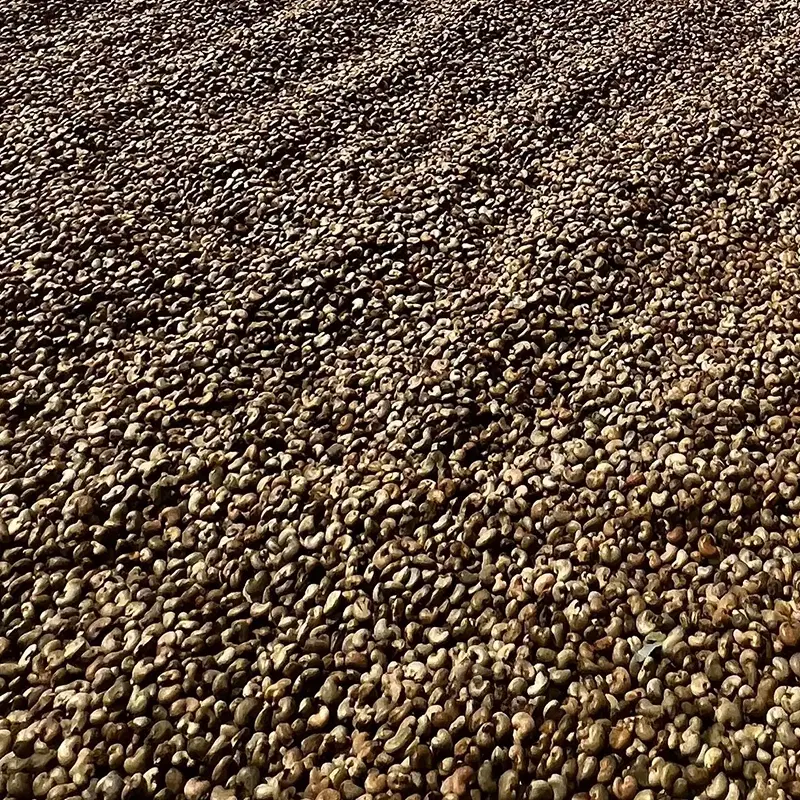
More than eighty percent of plantation owners are smallholder farmers of around one hectare. They use their own labor or additional domestic labor. Considering the structure of land ownership and demographics, the majority of cashew farms are owned by older people. Many of these farmers are too poor to hire labor, apply pesticides, or invest in plantation rejuvenation. Meanwhile, young people have left the villages where most of the cashew production is located in search of better incomes and job opportunities in urban centers."
The...
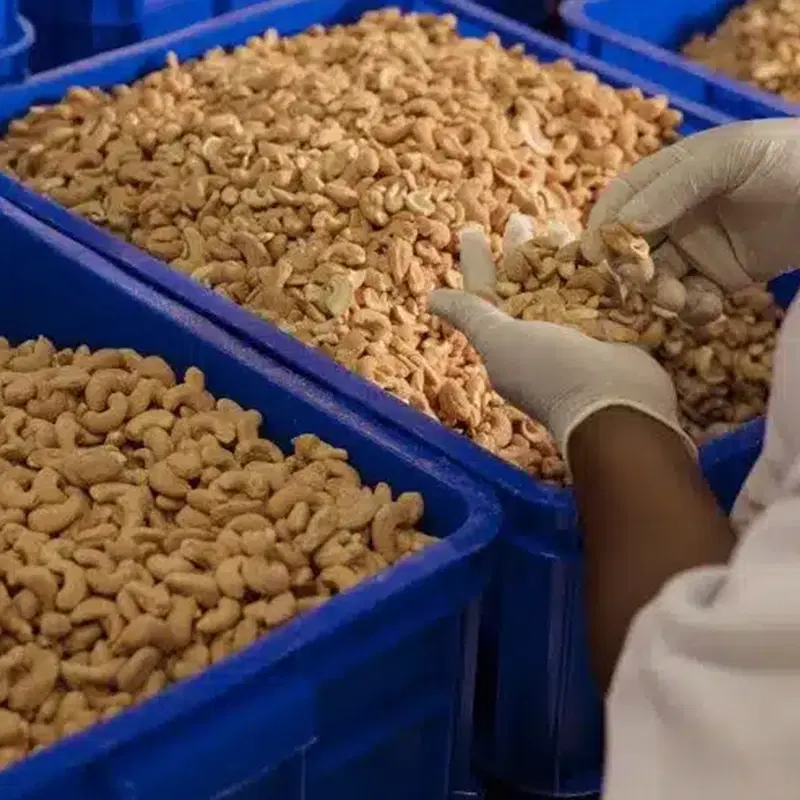
A minuscule proportion of cashew production in Tanzania takes place in medium to large-scale plantations that are owned by people who don’t live on the plantations themselves. This means that the plantations are managed by hired labor. Many of these are poorly managed, and some of them were abandoned when cashew production became less profitable. In order to bring these plantations back into production, they still need to be rehabilitated, and ownership issues need to be clarified."
The Nutritional Value Of Cashew Nuts Grown From Tanzania
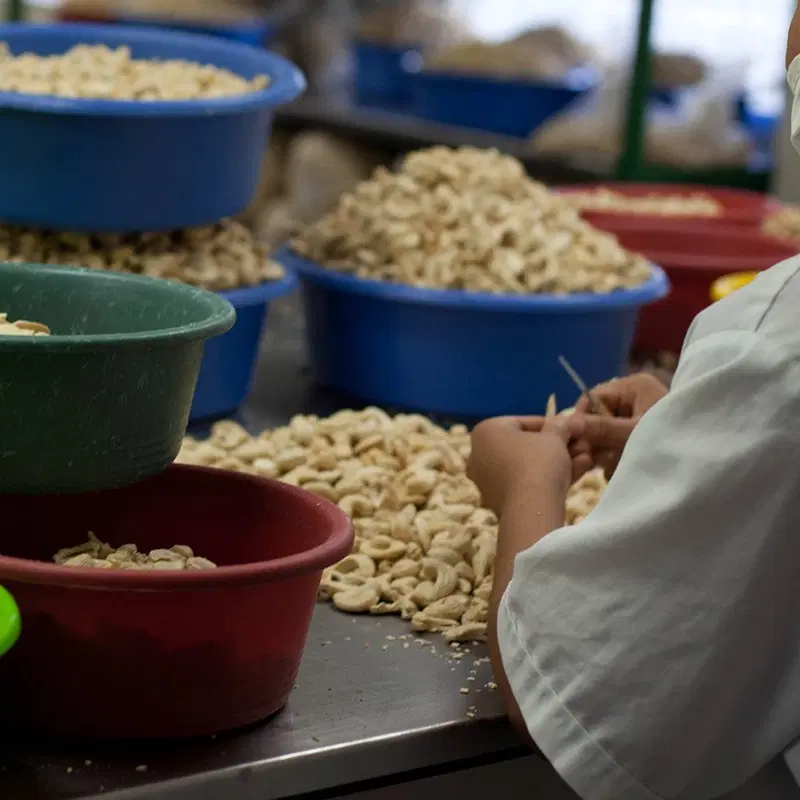
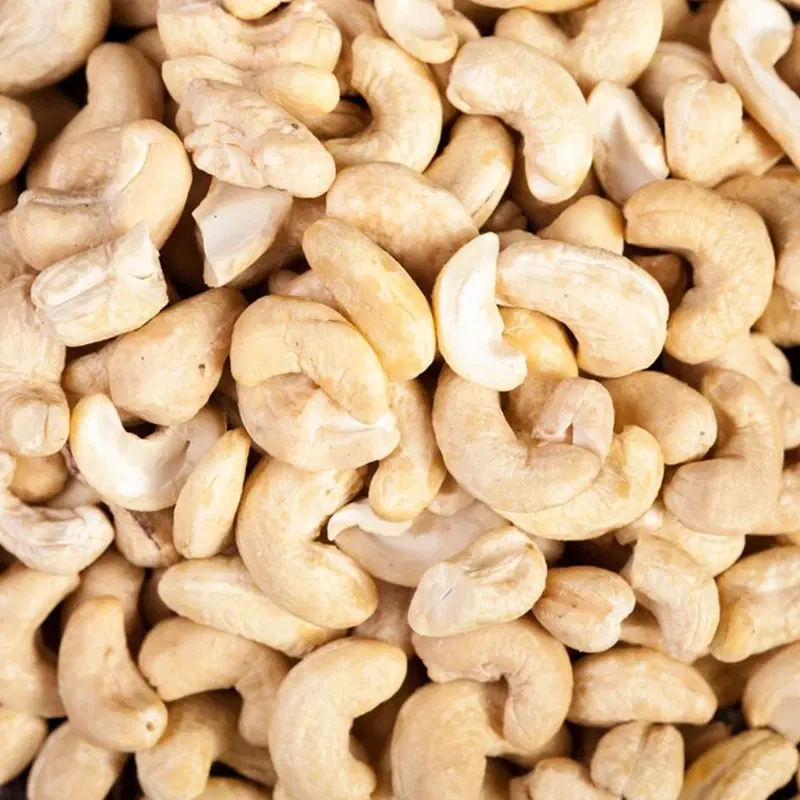
Cashew kernels are the main commercial product. The kernel of a cashew nut from Tanzania contains - 47% fat of which 87% is made up of unsaturated fatty acids), 21% protein, 22% carbohydrate and, the remaining 10% are other substances, including calcium, phosphorus, iron, and more. When it comes to vitamins, Tanzanian cashew nuts contain the main ones being A, D, and E. These cashew kernels also have a high percentage of polyunsaturated fatty acids, especially linoleic acid, and is an important source of sodium, calcium, potassium, magnesium, phosphorus, iron, copper, zinc, chlorine and selenium. Tanzanian cashew nuts are said to help lower blood cholesterol levels and control diabetes."
Who We are!
A Little About SCashew's Nuts
Ever since we came into being, SCashews has strived to be the best at what we do - procuring, supplying and delivering raw and processed cashew nuts of impeccable quality to our global clientele. In doing so, we have carved a niche for ourselves, as reliable and renowned suppliers of both raw and processed cashews from the world's biggest cashew producing nations.
Quality & Standard
Ethically sourced from the best cashew producing nations in the world grown in the biggest cashew farms in the globe.
Best In the Industry
Subject to stringent quality-assessment measures that are carried out both manually as well as with using advanced instruments.
Cost-effective merchandise
Our client's enjoy being the sole purveyors of some of the tastiest, organically-grown cashews available in the globe.
Safe shipping/transport
Safe and fast shipping on all order
Quality & Standard
Ethically sourced from the best cashew producing nations in the world grown in the biggest cashew farms in the globe.
Best In the Industry
Subject to stringent quality-assessment measures that are carried out both manually as well as with using advanced instruments.
Cost-effective
Our client's enjoy being the sole purveyors of some of the tastiest, organically-grown cashews available in the globe.
Safe shipping/transport
Safe and fast shipping on all order
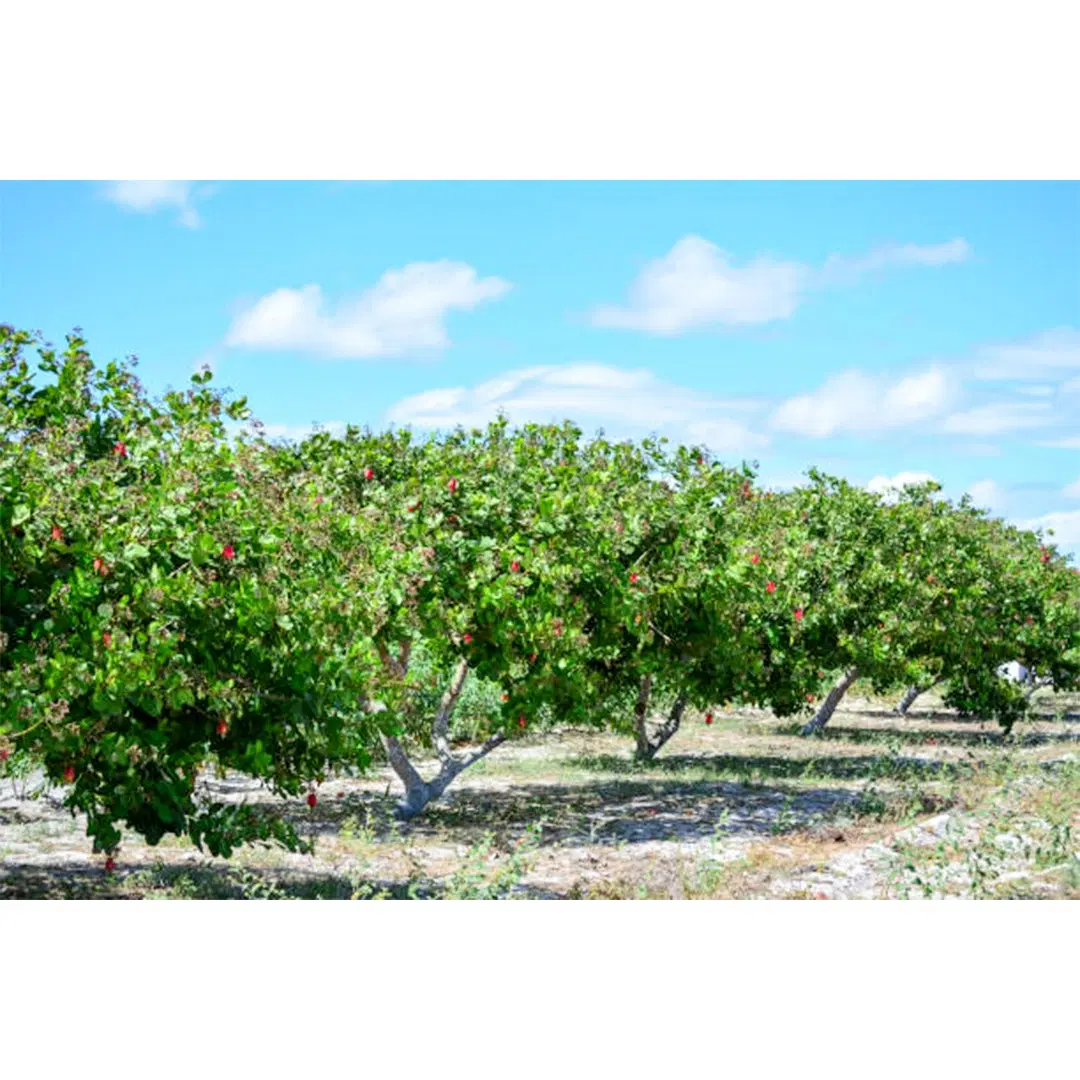

Trustworthy suppliers of the highest quality, raw and processed cashew nuts from Tanzania, who offer a transparent supply chain, and the best market prices, are incredibly hard to come by. We at SCashews have made a name for ourselves by becoming the go-to provider of origin varieties of Tanzanian cashew nuts for everyone from cashew retailers to confectioners, bakers, restaurants, and hoteliers. Get in touch with SCashews to find out how we can partner with you to have all your cashew supplying needs met, from now to the future.